
In this guide, we’ll break down how you can secure funding without collateral, improve your creditworthiness, and take advantage of flexible loan options available in 2025.


In this guide, we’ll break down how you can secure funding without collateral, improve your creditworthiness, and take advantage of flexible loan options available in 2025.
In 2025 the UK lending market for small businesses looks both encouraging and complex. High street banks have stepped up lending—gross bank lending to SMEs reached £4.6 billion in Q1 2025

The push to reach net zero by 2050 is reshaping business strategy across the United Kingdom — and small businesses (SMEs) are increasingly part of the story.

Technology is rewriting the rulebook for SME finance in the UK. From online business loans and fintech lenders to AI credit scoring and automated underwriting, digital adoption is making finance faster, fairer, and more accessible for small and medium-sized enterprises. For many SMEs, embracing digital finance tools isn’t optional—it’s essential to survive and grow in a competitive market.
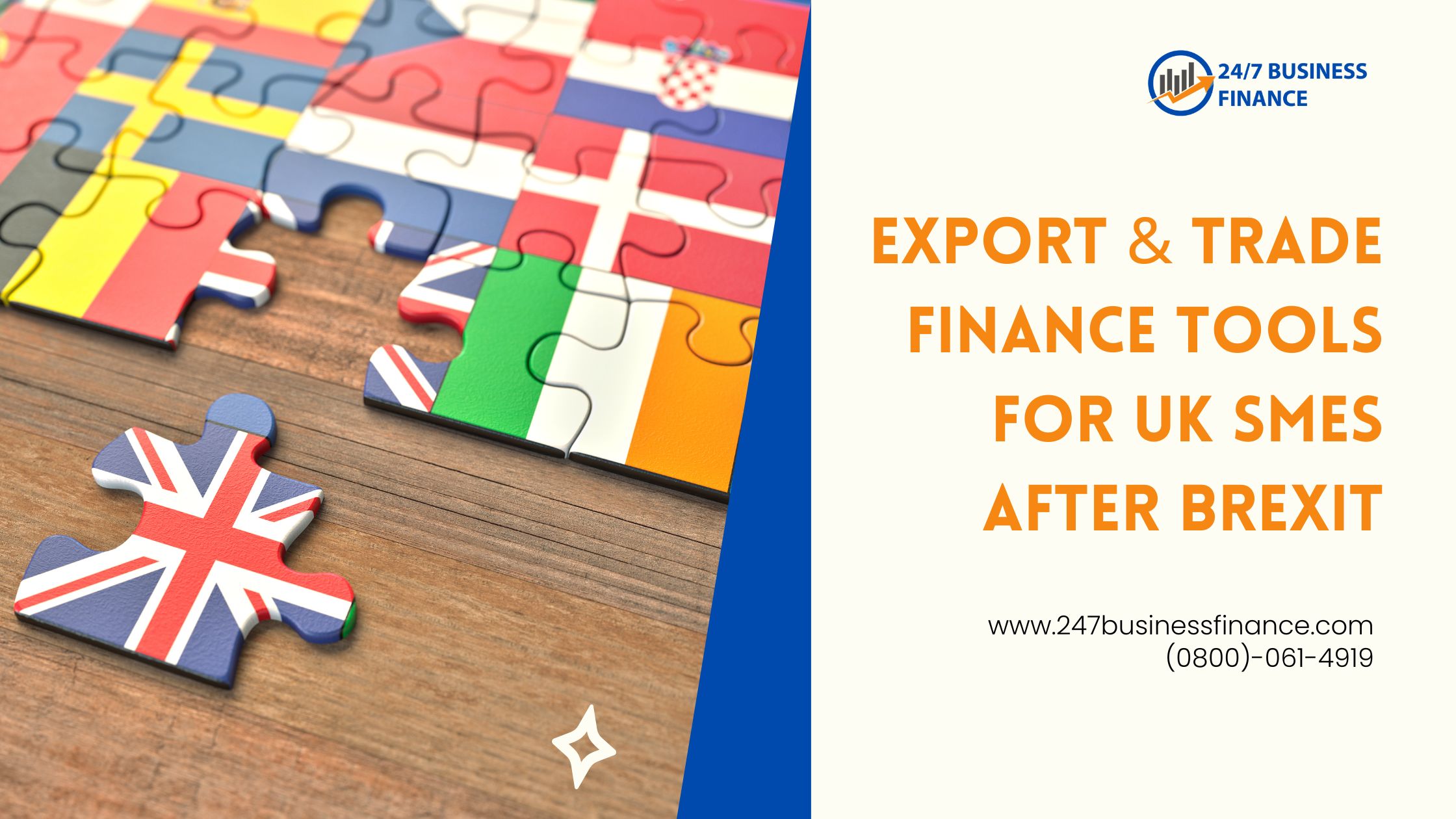
Since Brexit, the terrain for UK exporters has become more complex. Tariff rules, non-tariff barriers, customs documentation, and greater regulatory friction have added cost and risk. Yet trade remains an essential growth lever for many SMEs

If you’re a UK SME considering applying for finance in 2025, understanding current credit conditions, approval rates, and how lenders assess risk is critical.

UK small and medium enterprises (SMEs) are facing a perfect storm: inflation, rising wages, energy costs, supply chain disruptions, and pressure on margins. According to the UK Finance Business Finance Review 2025 Q1, inflation pressures and cost growth are among the main obstacles to SME growth. UK Finance