
Transform business lending with simplified loan processes for UK SMEs. Get fast approvals, flexible repayments, and easy funding solutions today.


Transform business lending with simplified loan processes for UK SMEs. Get fast approvals, flexible repayments, and easy funding solutions today.
Discover fast and reliable financial solutions for UK SMEs. Access quick business loans, flexible funding, and improve cash flow with trusted finance options.
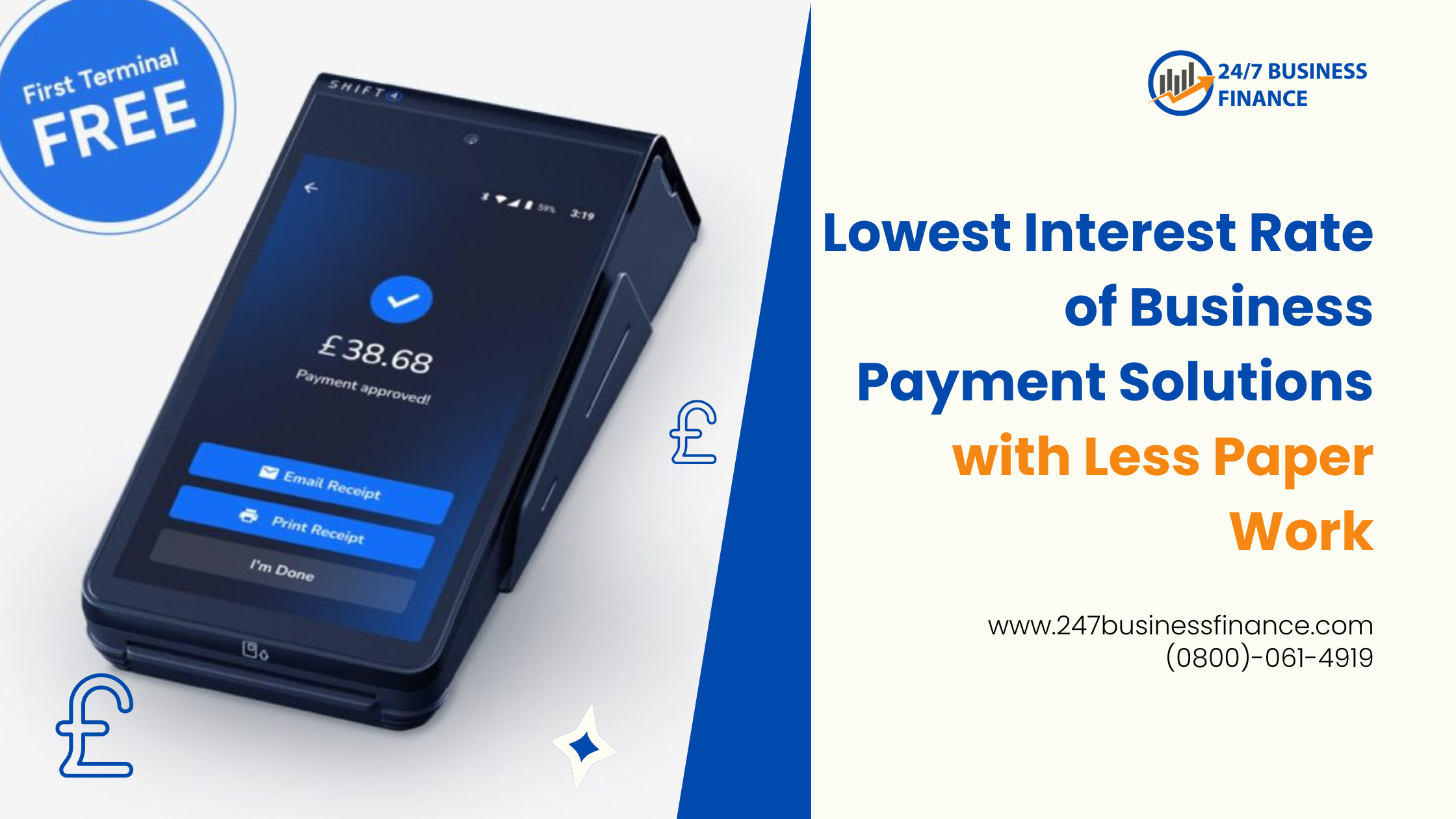
Get the lowest interest rate business payment solutions in the UK with less paperwork. Fast approval, flexible terms & SME-friendly funding options.

Compare business loans online instantly in the UK. Access fast approvals, competitive rates & flexible SME funding with 247 Business Finance.

Apply for unsecured business loans in the UK with no collateral required. Fast approval, flexible repayments, and tailored SME funding solutions with 247 Business Finance.

Across the UK, thousands of SMEs face cash flow pressures every day—not because they lack customers, but because money is not available when it is needed most.

Looking for mortgages for non-UK residents? Discover eligibility, rates, deposits & expert UK mortgage solutions for overseas buyers. Apply today.

Looking for flexible business loans in the UK? Discover simple, fast business loan solutions with low rates, quick approvals, and minimal paperwork.

Looking for fast business credit in the UK? Get flexible SME funding up to £350K with quick approvals, less paperwork, and tailored repayment options.
At 247 Business Finance, we focus on making business loans accessible, transparent, and tailored—whether funding needs start from £1,000 or scale up to £1,000,000.