Highlights High-Street and Alternative Lenders Offering Large-Scale Secured Funding
Large-scale business funding often comes down to one key decision: do you go to your high-street bank, or explore the growing world of alternative secured lenders? Both routes can deliver serious capital, but they work in very different ways, and the right choice depends heavily on your business’s assets, timeline, and appetite for paperwork.
This guide walks through exactly what secured business loans are, how high-street and alternative providers differ, and what to look for when comparing your options for large-scale funding.
Why We’re Comparing Categories, Not Naming a Fixed Ranking
Secured lending is priced almost entirely on a case-by-case basis, the rate you’re offered depends on your specific asset, its loan-to-value, your trading history, and your credit profile. A fixed list ranking named providers can look tidy on the page, but it rarely reflects what any individual business will actually be offered, and pricing across this market shifts regularly as lenders adjust their risk appetite.
Instead, this guide focuses on the two broad categories of provider, high-street banks and alternative lenders, what each genuinely offers, and how to compare live quotes properly so you find the best deal for your specific situation rather than chasing a ranking that may not apply to you.
What Is a Secured Business Loan?
The Basic Principle
A secured business loan uses a business or personal asset, commonly commercial property, but sometimes equipment or other high-value assets, as collateral against the borrowing. Because the lender has security in place, secured loans typically allow for larger amounts and more competitive rates than unsecured finance.
Why Businesses Choose Secured Lending for Large Amounts
For substantial funding needs, expansion, property purchase, major refinancing, or large-scale investment, secured lending is often the most practical route. The security reduces the lender’s risk, which usually translates into better terms for the borrower compared to unsecured alternatives at the same loan size.
Loan-to-Value: The Key Number to Understand
Most secured lenders assess how much they’ll lend based on loan-to-value (LTV), the percentage of the asset’s value they’re willing to advance. A lower LTV request generally opens up more competitive rates, while higher LTV borrowing may come with a higher cost to reflect the increased risk.
A Practical Example
If your commercial property is valued at £500,000 and a lender offers up to 70% LTV, that translates to a maximum loan of £350,000 against that specific asset. Requesting less than the maximum available, where your funding needs allow, often puts you in a stronger position to negotiate more favourable terms.
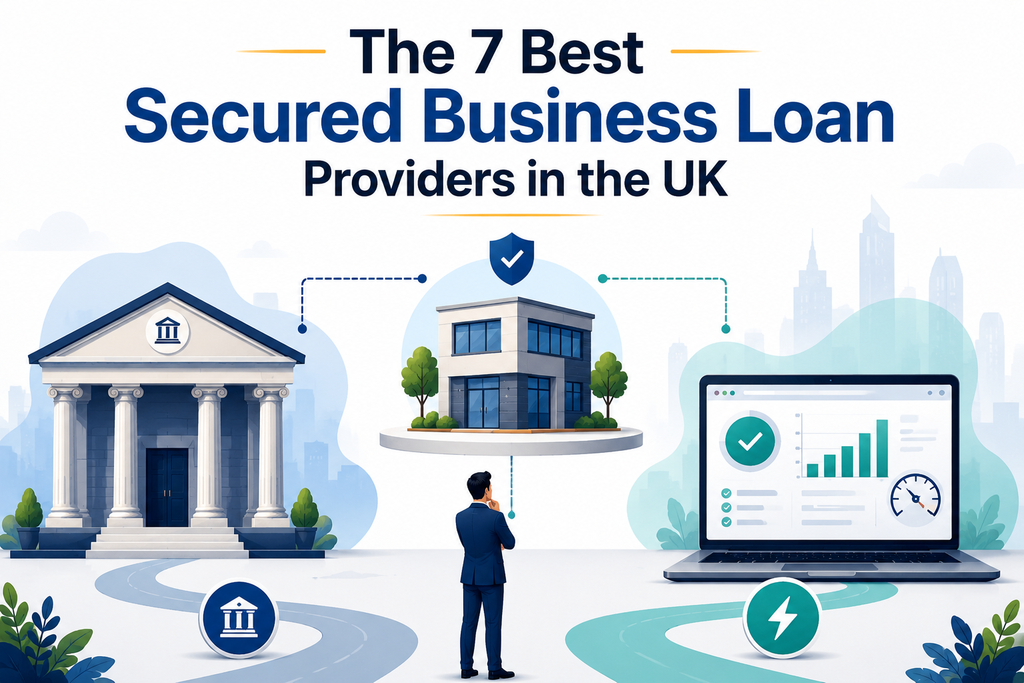
High-Street Banks vs Alternative Lenders: The Core Differences
High-Street Banks
Traditional high-street banks bring decades of business lending experience, often lower headline rates for well-qualified applicants, and the benefit of an existing banking relationship for many business owners.
Strengths of High-Street Lending
- Long-established reputation and stability
- Often lower rates for strong, well-documented applications
- Relationship-manager support for larger facilities
- Full business banking services alongside the loan
The relationship-manager model, in particular, appeals to business owners who prefer a named point of contact who understands their business over time, rather than a purely digital, transactional process.
Trade-Offs to Consider
- Longer approval timelines, sometimes several weeks
- Stricter, more standardised lending criteria
- More extensive documentation requirements
- Less flexibility for businesses with limited trading history
Alternative and Challenger Lenders
Alternative lenders have grown significantly in the UK secured lending market, often combining faster decision-making with more flexible underwriting than traditional banks.
Strengths of Alternative Lending
- Faster turnaround, sometimes within days rather than weeks
- More flexible assessment of trading history and credit profile
- Often more willing to consider complex or unusual security
- Digital-first application processes reduce admin burden
Trade-Offs to Consider
- Rates can be higher than the very best high-street offers
- Smaller businesses may find less brand recognition or personal relationship management
- Terms are frequently quoted case-by-case rather than advertised upfront
What Secured Lenders Typically Look For
The Asset Itself
Lenders assess the type, value, and marketability of the asset being offered as security. Commercial property tends to be the most commonly accepted form of collateral, though some lenders also consider equipment, machinery, or other business assets.
Loan-to-Value Ratio
As covered above, the LTV ratio directly affects both how much you can borrow and the rate you’re likely to be offered. Most secured lenders look for the asset to comfortably cover a significant portion of the loan amount.
Business and Personal Credit History
Even with security in place, lenders typically review the credit history of the business and, in many cases, the personal credit profile of the directors, alongside broader affordability checks.
Trading History and Financials
Lenders want to see evidence that the business can service the loan comfortably, through management accounts, bank statements, and, where relevant, filed accounts.
Personal Guarantees
Many secured business loans still require a personal guarantee from directors, even with an asset already pledged as security. Terms vary by lender, so it’s worth clarifying this upfront rather than assuming the asset alone removes personal exposure entirely.
How to Compare Secured Business Loan Providers
Step 1: Understand the True Cost, Not Just the Headline Rate
Many secured lenders quote rates on application rather than publishing a fixed headline figure, since pricing depends heavily on the specific asset, LTV, and borrower profile. Always ask for a full breakdown, including arrangement fees, valuation costs, and legal fees, to understand the true cost of borrowing.
Step 2: Compare Funding Speed Against Your Timeline
If you need funds quickly, alternative lenders often move faster than traditional banks, sometimes offering decisions within days. If your timeline allows for a longer process, a high-street bank may be worth exploring for potentially lower rates.
Step 3: Check Repayment Term Flexibility
Longer repayment terms reduce monthly outgoings but increase the total interest paid over time. Shorter terms cost less overall but require higher monthly repayments. The right balance depends on your business’s cash flow and long-term plans.
Step 4: Clarify the Personal Guarantee Position
Ask directly whether a personal guarantee is required, and if so, whether it’s capped or unlimited. This detail matters significantly for your personal risk exposure, regardless of which lender you choose.
Step 5: Compare Multiple Quotes Before Committing
Because many secured lenders price on a case-by-case basis, the only reliable way to know you’re getting a competitive deal is to compare two or three written quotes side by side, rather than accepting the first offer.
When to Choose a High-Street Bank
You Have a Strong, Well-Documented Application
If your business has a solid trading history, clean accounts, and time to go through a more thorough approval process, a high-street bank may offer some of the most competitive rates available.
You Value an Existing Banking Relationship
If you already bank with a particular provider and have a good relationship with a business manager, this can sometimes streamline the process and support a stronger application.
When to Choose an Alternative Lender
You Need Funding Quickly
If your timeline is tight, alternative lenders are often better positioned to move fast, sometimes funding within days of a completed application.
Your Situation Doesn’t Fit a Standard Bank Profile
If your business has a shorter trading history, less conventional security, or a credit profile that doesn’t meet strict bank criteria, alternative lenders are often more willing to assess your application on its individual merits.
You Want a Broader Comparison in One Place
Some alternative providers operate as both direct lenders and brokers, giving you access to their own lending alongside a wider panel, useful if you want to compare options without approaching each lender separately.
Why Choose 247 Business Finance for Secured Business Loans
Rather than approaching high-street banks and alternative lenders one by one, we compare the market on your behalf, saving you time and helping you access competitive, large-scale secured funding.
Our Key Advantages
90% Approval Rates
We work with a wide panel of high-street and alternative lenders, helping match your business to the right secured funding option. See our 90% approval rate plans.
Faster Funding Options
We understand large-scale funding decisions often can’t wait weeks. Explore our faster funding options.
Flexible Repayments
We help match you to a repayment term that suits your business’s cash flow and long-term plans. Learn more about our flexible repayment options.
Less Paperwork
We keep the application process as efficient as possible, without unnecessary admin. Find out more about our low paperwork process.
Low Interest Rates
By comparing multiple lenders on your behalf, we help you access competitive rates for large-scale secured funding. Check our low interest rate options.
Other Finance Options Worth Exploring
- Unsecured Business Loan — funding without pledging a specific asset
- Working Capital Loan — for day-to-day cash flow needs
- Asset Finance — fund equipment or machinery directly
- Merchant Cash Advance — funding based on card sales
- Start Up Loan — for newer businesses
- Recovery Loan Scheme — government-backed support for eligible businesses
- Business Card Payment Solutions — improve how you take payments
Frequently Asked Questions
What Assets Can Be Used to Secure a Business Loan?
Commercial property is the most commonly accepted form of security, though some lenders also consider equipment, machinery, or other business assets, depending on their value and marketability.
Is a Secured Business Loan Cheaper Than an Unsecured Loan?
Generally, yes. Because the lender has collateral in place, secured loans often carry lower interest rates than unsecured alternatives, particularly for larger loan amounts.
Do Secured Business Loans Still Require a Personal Guarantee?
In many cases, yes, even with an asset pledged as security. Requirements vary by lender, so it’s worth clarifying this specifically before committing to any offer.
How Long Does It Take to Get a Secured Business Loan?
Timelines vary significantly. High-street banks may take several weeks due to more thorough underwriting, while some alternative lenders can offer decisions and funding within days.
How Much Can I Borrow With a Secured Business Loan?
This depends primarily on the value of the asset offered as security and the lender’s loan-to-value criteria, though secured lending generally supports significantly larger amounts than unsecured finance.
What Happens if I Can’t Keep Up With Repayments?
As with any secured lending, failing to keep up with repayments puts the pledged asset at risk of repossession. It’s important to borrow an amount your business can comfortably service, and to discuss any repayment difficulties with your lender as early as possible.
Why Isn’t This Guide Ranking Specific Providers?
Because secured lending is priced individually based on your asset, LTV, and financial profile, a fixed ranking rarely reflects what any specific business will actually be offered. Comparing live, personalised quotes gives a far more accurate picture than a general list, which is exactly why working with a broker to compare current options tends to produce a better outcome.
Final Thoughts
Both high-street banks and alternative lenders have a genuine place in the UK secured business loan market. Banks often offer the most competitive rates for well-qualified, well-documented applications, while alternative lenders bring speed and flexibility for businesses that need funding faster or don’t fit a standard banking profile.
The right choice depends on your specific asset, timeline, and financial position, rather than a single “best” provider that suits every business equally. Comparing your options properly, rather than approaching lenders one at a time, gives you the strongest chance of securing large-scale funding on the best available terms.
Get in touch with 247 Business Finance today.
📞 Call us: (0800) 061 4919 📧 Email: info@247businessfinance.com 🌐 Get your free quote now
We compare the market so you don’t have to, helping UK businesses access large-scale secured funding, faster.